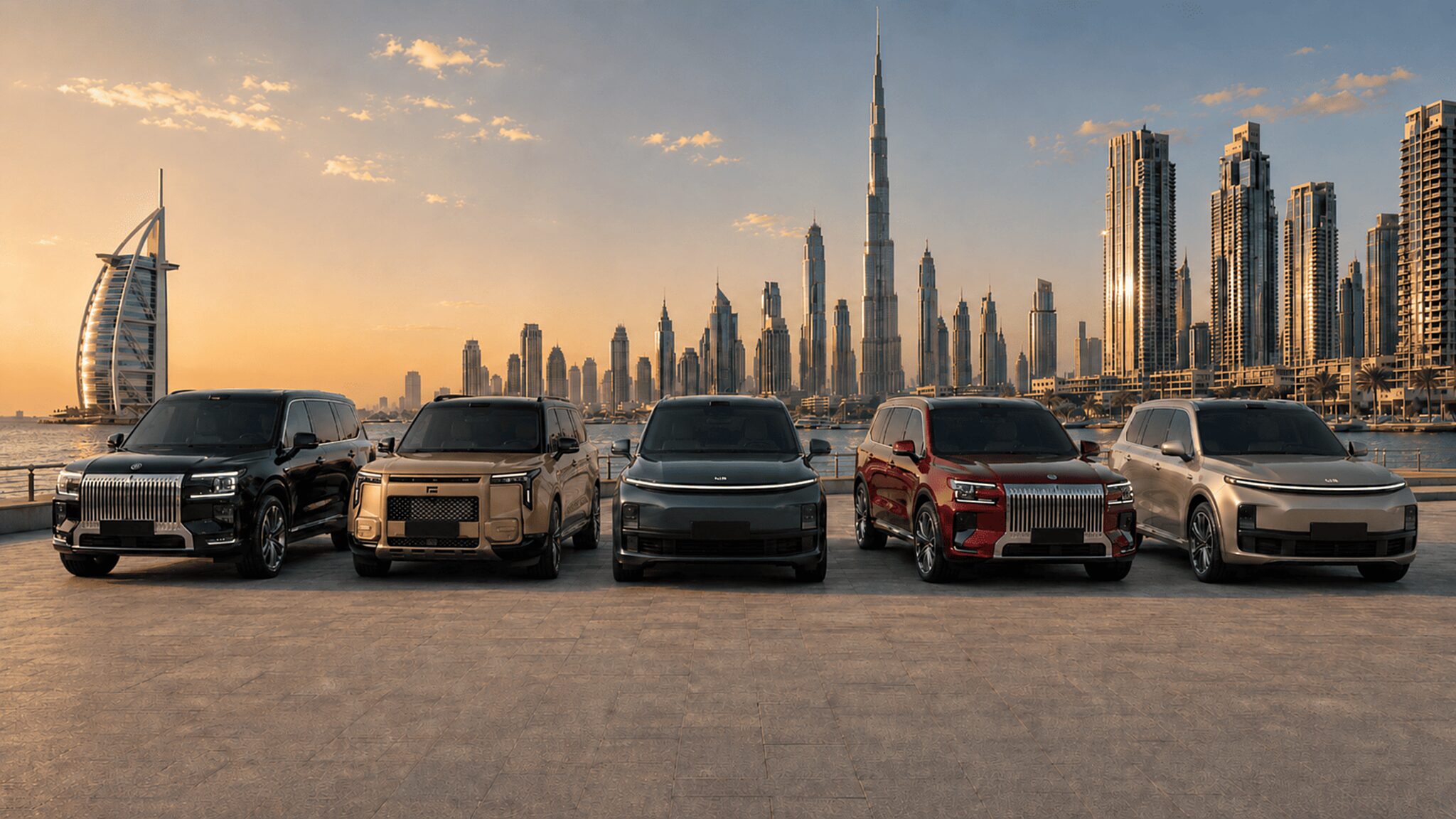
In short. Chinese premium cars are serviced in the UAE — but check your model, not the badge. Before you pay a deposit, establish three things: who provides the warranty (the factory through a regional distributor, or the seller), the physical address you would bring the car to, and parts lead times in days. If your seller is an official reseller of the brand, your warranty is the factory one — with several brands that means five years.
“And if it breaks, where do I take it?” This is the second most common question we hear, and it usually gets answered with the least useful sentence on the market: “don’t worry, we’ll sort it out.” Let’s do this properly instead: how servicing for Chinese cars actually works in the UAE, what to establish before the deposit, and how to tell when you have been given a non-answer.
Three different things that everyone mixes up
When a seller says “there is a warranty”, they may mean one of three things — and the difference matters.
A manufacturer warranty. An obligation from the factory, honoured through the official distributor in the region. The strongest of the three: it does not depend on whether the seller is still trading next year.
A service contract or maintenance package. A commercial product: scheduled servicing, sometimes consumables, with limits in years and kilometres. Useful, but it is not a warranty on major components.
A seller’s promise. “If anything happens, bring it back to us, we’ll take care of it.” It can be entirely genuine and it often is — but it is the weakest of the three legally, and it disappears if the seller does.
So your question is really this: which of the three am I getting, who issues the document, and what does it say?
A seller can be an official reseller — and that changes everything
Here is a distinction the market rarely explains. A seller who is not the brand’s distributor can still be its official reseller — working under an agreement with that distributor. In that case the car comes with the same manufacturer warranty and is serviced at the same official centres as one bought direct. With several brands that warranty runs to five years.
The difference from a “warranty from us” is fundamental: you hold an obligation from the factory via the regional distributor, not a promise from one company.
So put it to the manager directly: are you an official reseller for this brand, and if so, show me what warranty comes with the car and whose name is on it. A straight answer comes back immediately. An evasive one means you should assume there is no factory warranty.
Eight things to establish before the deposit
- Who provides the warranty — the factory, the regional distributor, or a third party.
- The term and the limit — how many years, how many kilometres, and which comes first.
- What is covered and what is not. Ask separately about the battery and the high-voltage system: they usually have their own terms and their own state-of-health requirement.
- The physical address you would take the car to. Not a company name — an address. If nobody will name one, you do not have a warranty in any practical sense.
- Parts: local stock or ordered from China — and typical waiting times for consumables and for body panels. Those are two different universes in terms of time.
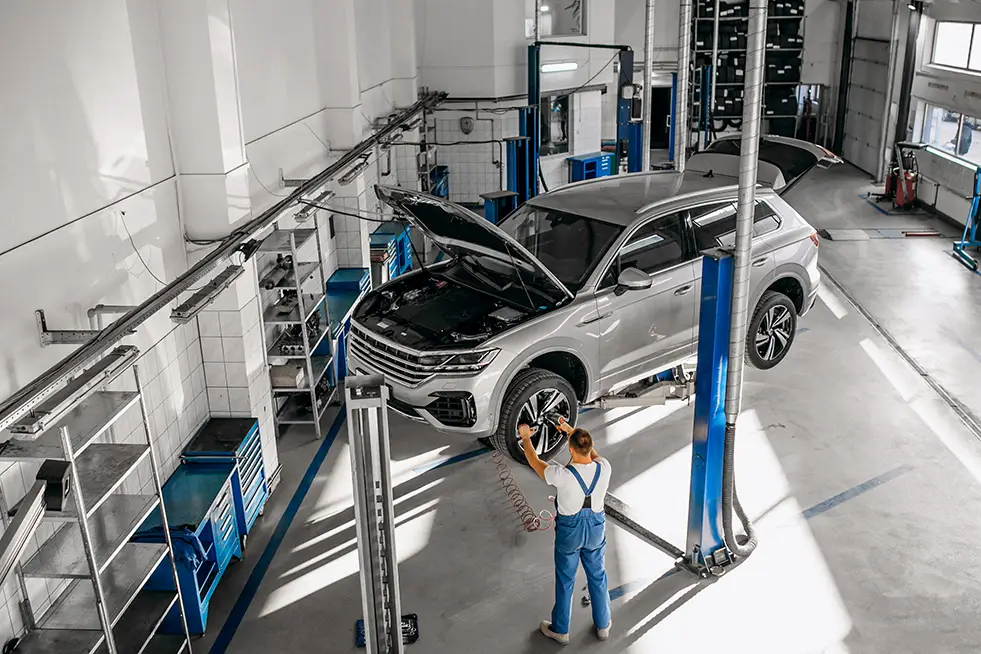
- Genuine diagnostics: does the workshop have factory equipment and access to the brand’s software. Without it, any electrical fault becomes guesswork.
- Software work: updates, keys, NFC cards, the master account. Technically not “repairs”, but it is what owners come in for most often.
- What happens after an accident: does the workshop deal with insurers, and who signs off on genuine parts.
How this looks in practice in the UAE
The Chinese premium market here is younger than the established one and is organised differently. There are usually three layers: the brand’s official distributor with its own service centres, specialist independent workshops for EVs and hybrids, and sellers who have an arrangement with a specific workshop.
The practical takeaway: the network is smaller than that of the long-established marques, but it exists, and for the popular models it has already settled. The key phrase is “for the popular models”. The more common a car is in the UAE, the easier it is to live with: parts on the shelf, and a technician who has seen one before. A rare or discontinued version always takes longer and costs more, however good the car itself is.
Why an EREV is easier in this respect
Almost everything people actually buy in Dubai from the Chinese premium segment is an EREV: an electric car with a petrol generator on board. From a servicing point of view that layout has a quiet advantage: the transmission is simpler than in a conventional combustion car, brakes wear more slowly thanks to regeneration, and the generator runs in a narrow, efficient band rather than being worked hard in traffic. And you are not dependent on charging infrastructure: if a station is busy or out of order, the car still goes.
Red flags
- “Don’t worry, we’ll take care of everything” — with no address and no document.
- A warranty “from us”, where the document does not say who “us” is.
- A service package whose terms are “still being finalised”, while the deposit is needed today.
- “We only sell cars” in answer to a servicing question. That is honest — but then ask exactly who they will send you to, and why them.
- A promise that parts are “always available”, with no lead time in days.
If you already own the car and just need somewhere to take it
A separate note for existing owners. When you call around workshops, do not ask “do you repair Zeekr?” Ask three specific things instead: do you have factory diagnostics for the brand, have you worked on this exact model before, and how do you order parts. Those three answers eliminate 90% of the options in a single call.
Frequently Asked Questions
Is there official servicing for Chinese cars in Dubai?
For the popular brands, yes — through the official distributor in the region, plus independent workshops specialising in EVs and hybrids. What you should check is not the brand in general but your specific model.
Can I get a manufacturer warranty if I do not buy from the distributor?
Yes, if the seller is an official reseller for the brand and works under an agreement with the distributor. The warranty then remains the factory one, with its own term — five years with several brands — and servicing at official centres. Ask the manager about it in plain words.
How long do parts take?
It depends on whether the part sits in local stock or is ordered from the factory. Ask your seller for lead times in days for two categories separately: consumables and body panels.
Does the warranty cover the battery?
A high-voltage battery normally has its own terms: its own duration, its own mileage limit and a requirement on remaining capacity. Read that clause before signing, not after.
Is Chinese premium more expensive to service?
Scheduled servicing is usually simpler: fewer components, fewer consumables. The risk is not the price of a service — it is a rare part for a rare version, which is why a mainstream model is cheaper to live with than an exotic one.
What about updates, keys and the NFC card?
That is software work rather than mechanical work. Establish before you buy who performs it: often it is not the workshop but the brand’s own service or the seller.
What to do next
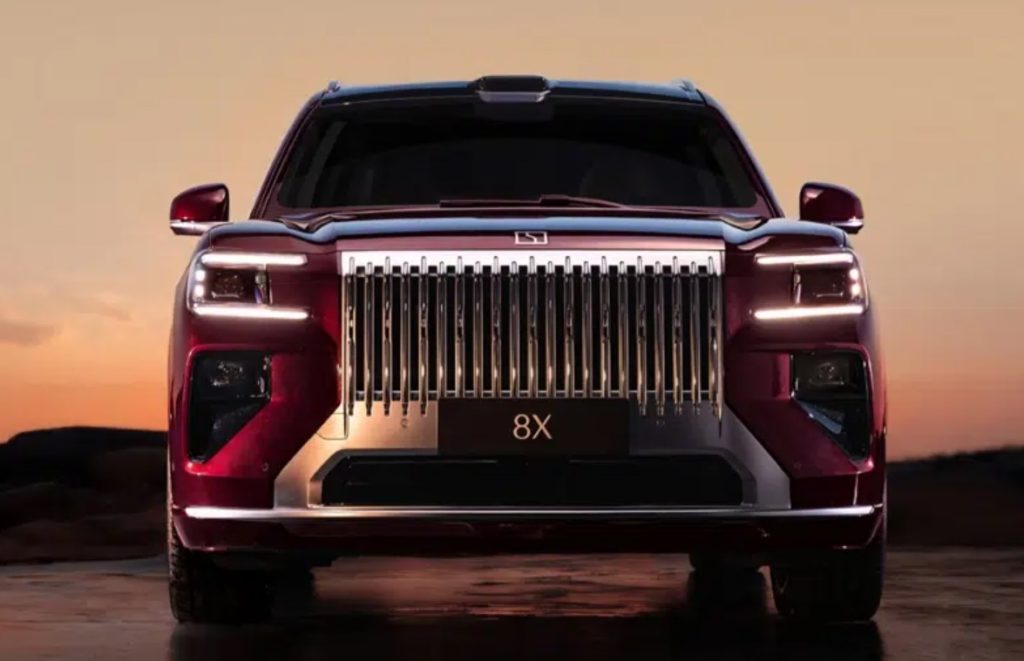
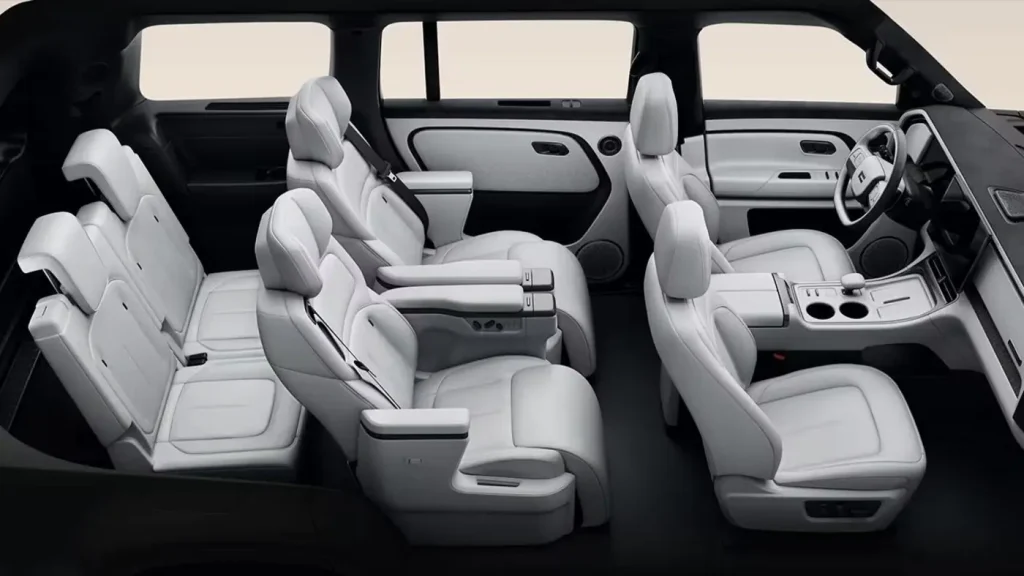
Send us the model and we will tell you where that car is serviced in the UAE, what its warranty actually covers and what the parts lead times are. No “don’t worry”. Or browse the cars themselves: Zeekr 9X, Zeekr 8X, ROX Adamas, Li Auto L9.